Why this matters for Oklahoma
Oklahoma infrastructure decisions need dependable water access and a clear view of physical exposure over the asset's operating life. A statewide resource statement does not establish legal rights or reliable service at a parcel. Competing uses, maintenance needs and interruption consequences should be addressed before selecting an inflexible cooling, production or facility design.
National context
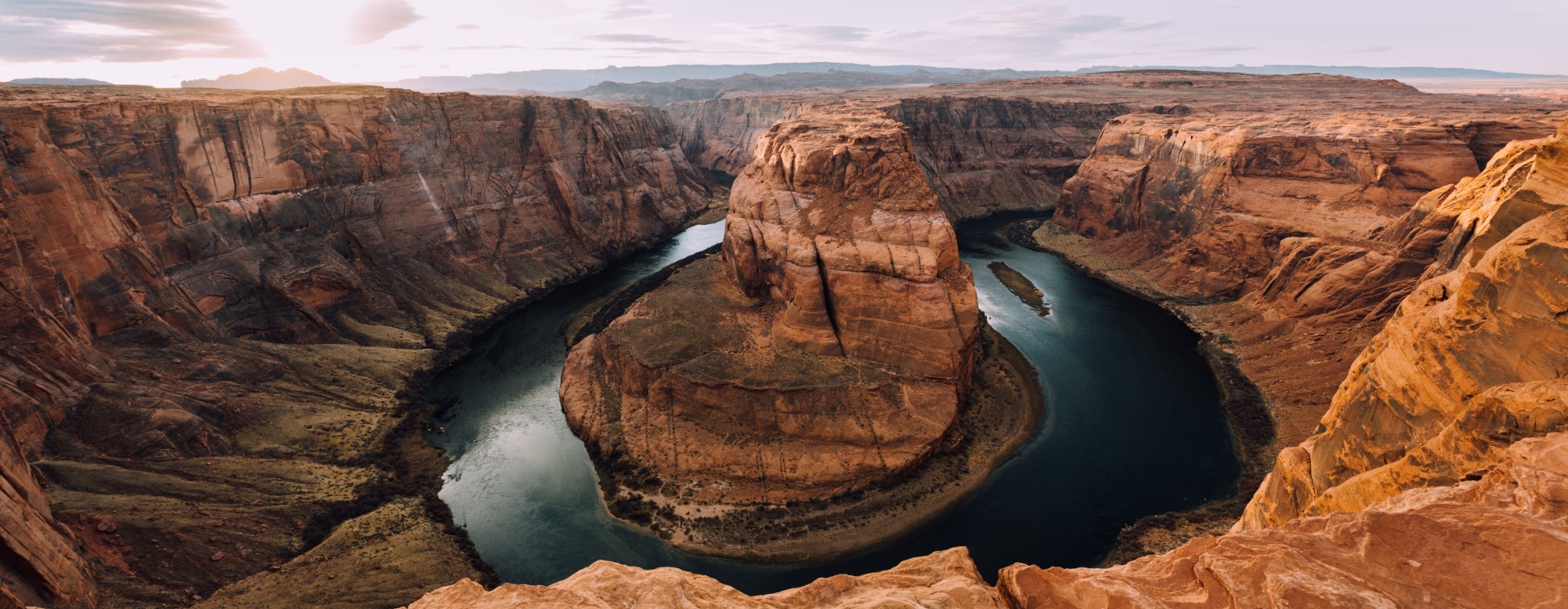
GAO and NIC foresight work places environmental pressures within broader institutional and infrastructure choices. These references are planning context, not a site-specific drought forecast. Local supply verification and hazard review remain necessary. The canyon image illustrates a water landscape and is not labeled as an Oklahoma location.
Questions for decision makers
- Who confirms legal access and dependable supply for the planned use?
- How does the operating plan perform during drought or flooding?
- Which design choices can reduce demand or preserve an alternate location?
Put these questions into a decision record before selecting a preferred project. Identify the responsible institution, the geographic area affected and the next commitment that cannot easily be reversed. The answer should separate an observed condition from an assumption about future performance. A useful briefing states what evidence would change the recommendation, who can obtain that evidence and when the next review must occur.
Indicators to watch
- Executed utility service terms, not claimed statewide spare capacity
- Disclosed cooling design and permitted water demand
- Construction milestones reconciled with EIA electricity context and local service dates
Record each indicator's definition, observation date, publication date and geographic coverage. A change in an indicator is a reason to review the decision, not automatic proof that the proposed explanation is correct. Compare several observations where possible, check whether the underlying series was revised and identify alternative explanations. Do not substitute a state average for a county, installation, nation or parcel when the decision depends on that smaller unit.
Using the evidence
The linked public sources establish context for a qualitative desk review; they do not constitute a completed local feasibility study. Distinguish announcements from executed agreements, funded obligations and operating outcomes. For an investment decision, test an adaptable first stage against a delayed or constrained alternative, including who pays continuing costs. Assign an evidence owner and a review date so that the analysis remains usable as conditions change. No unsupported numerical forecast is presented here.
Related research and products
Use the report list below to examine issue-specific judgments, confidence and signposts. Economic Development Intelligence Suite provides a related decision workflow; its product page states current availability and what is included. A product listing is not an assurance that a particular policy or project will succeed. For a tailored study, request a briefing with the decision boundary and evidence requirements.
Sources and method references: Oklahoma Commerce · Tulsa data-center announcement; EIA · Oklahoma Electricity Profile; Oklahoma Commerce · Data + Reports; GAO-22-3SP · Trends Affecting Government and Society; NIC · Global Trends 2040: A More Contested World. Last reviewed: October 10, 2026. Planning interpretation is Strategic Foresight's assessment, not a source endorsement.